Global financial markets play a crucial role in the modern economy. They connect investors, businesses, governments, and financial institutions, allowing capital to move between countries and industries. From stock exchanges and foreign exchange markets to commodities and cryptocurrencies, these markets influence investment decisions, business expansion, international trade, and economic growth.
In 2026, global financial markets are navigating a complex combination of economic uncertainty, inflationary pressures, changing monetary policies, technological innovation, and geopolitical risks. Artificial intelligence (AI) continues to attract investment and reshape financial services, while energy prices and international developments influence inflation expectations and investor confidence.
According to the International Monetary Fund’s October 2026 World Economic Outlook, global economic growth is projected at 3.1% for 2026, followed by 3.4% in 2027. Global headline inflation is projected to reach 4.7% in 2026 before easing to 4.1% in 2027. These projections highlight the challenges facing policymakers and investors as economic resilience meets persistent uncertainty.
For investors, understanding the forces behind market movements is essential. Although no strategy can eliminate investment risk, following economic indicators, central bank decisions, corporate earnings, and international developments can help market participants make more informed decisions.
This article explores the major trends shaping global financial markets in 2026 and the indicators investors should monitor as the year progresses.
An Overview of Global Financial Markets
Global financial markets consist of several interconnected segments, each serving a different purpose. Although these markets have distinct characteristics, developments in one area can influence prices and trading activity elsewhere.
Stock Markets
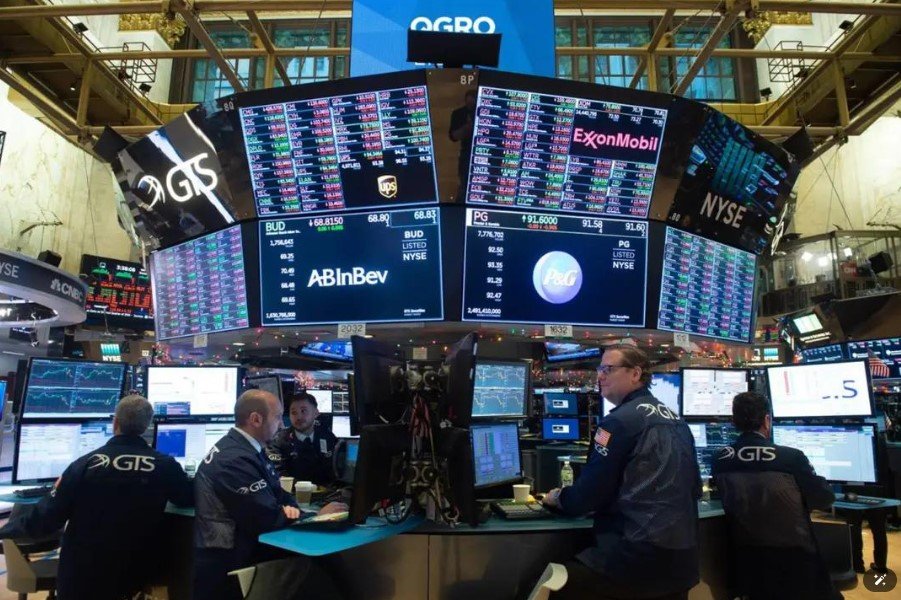
Stock markets allow investors to buy and sell shares in publicly traded companies. Major exchanges provide businesses with access to capital while giving investors opportunities to participate in corporate growth.
Stock prices are influenced by company earnings, revenue growth, interest rates, economic conditions, and investor expectations. When businesses report stronger-than-expected earnings, their shares may rise. Conversely, disappointing results or weaker economic forecasts can place downward pressure on valuations.
In 2026, investors are paying particular attention to technology companies, AI-related investment, corporate profitability, and the sustainability of stock market valuations. Strong demand for new technologies may support earnings growth, but elevated expectations can also increase the risk of sharp price corrections.
Foreign Exchange Markets
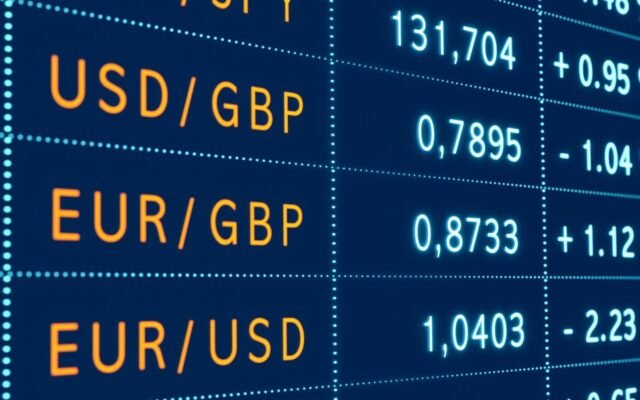
The foreign exchange market, commonly known as forex, is where currencies are exchanged. It supports international trade, tourism, investment, and cross-border financial transactions.
Currency prices respond to differences in interest rates, inflation, economic growth, political developments, and market sentiment. For example, expectations that the US Federal Reserve will maintain higher interest rates than other central banks may support the US dollar, although actual exchange-rate movements depend on many factors.
Major currency pairs such as EUR/USD, GBP/USD, and USD/JPY remain important indicators of international financial conditions. Currency movements can affect import costs, export competitiveness, and the returns investors receive from overseas assets.
Commodities Markets
Commodities markets cover raw materials such as crude oil, natural gas, gold, silver, copper, and agricultural products.
Prices in these markets depend on supply and demand, production costs, inventory levels, weather conditions, and geopolitical developments. Energy commodities can be particularly sensitive to disruptions affecting production or transportation.
Gold often attracts attention during periods of uncertainty, although its price also depends on real interest rates, the US dollar, central bank purchases, and investment demand. Industrial metals such as copper, meanwhile, can provide insight into manufacturing activity, construction, and infrastructure investment.
Cryptocurrency Markets
Cryptocurrency markets allow participants to trade digital assets such as Bitcoin, Ethereum, and Solana. These markets operate through digital trading platforms and blockchain-based networks.
Cryptocurrency prices can be influenced by investor sentiment, regulatory developments, liquidity, institutional participation, technological progress, and broader financial conditions.
Digital assets can experience significant price fluctuations over short periods. As a result, they carry risks that differ from those associated with traditional stocks, bonds, and commodities.
The relationship between these markets is important. For example, higher interest rates can increase borrowing costs and reduce demand for speculative investments. Meanwhile, a geopolitical shock that pushes energy prices higher may influence inflation expectations, bond yields, currencies, and equity valuations simultaneously.
Major Economic Trends Shaping Markets
Economic conditions remain among the most important influences on global financial markets. Investors closely monitor inflation, employment, economic growth, and central bank policies because these factors affect corporate profits, borrowing costs, and asset valuations.
Inflation and Interest Rates
Inflation measures how quickly the general price level of goods and services rises over time. When inflation remains elevated, households may experience declining purchasing power, while businesses face higher costs for wages, materials, transportation, and energy.
Central banks use monetary policy to influence economic conditions and maintain price stability. Depending on their mandates and economic circumstances, they may increase interest rates to restrain inflation or lower them to support economic activity.
Interest rates affect financial markets through several channels. Higher rates can increase borrowing costs for businesses and consumers, reduce the present value of future corporate earnings, and make interest-bearing assets more attractive relative to some riskier investments.
Lower rates can have the opposite effects, but they do not automatically lead to higher asset prices. Investors also consider why rates are changing. A rate reduction prompted by improving inflation may be received differently from one introduced during a severe economic downturn.
The IMF’s October 2026 outlook highlights renewed inflationary pressures alongside uneven global growth. This combination makes inflation data and central bank decisions particularly important for market participants.
Investors should therefore follow consumer price indexes, producer price indexes, wage growth, and inflation expectations rather than focusing on a single headline figure.
Economic Growth and Employment
Economic growth influences corporate revenue, consumer spending, employment, and business investment. When an economy expands steadily, companies may benefit from stronger demand and improved earnings prospects.
However, growth is uneven across countries and sectors. Some economies benefit from technology investment and strong domestic demand, while others face challenges related to expensive energy imports, weak productivity, public debt, or limited fiscal resources.
Employment data provides another important signal. Strong hiring and wage growth can support consumption, but rapid wage increases may also contribute to inflation when productivity fails to keep pace.
Weak employment figures may indicate that economic activity is slowing. Nevertheless, markets rarely react to employment data in isolation. Investors consider whether the figures differ from expectations and how they might influence future monetary policy.
To assess economic conditions, investors can monitor gross domestic product (GDP), unemployment rates, retail sales, business surveys, and consumer confidence.
Central Bank Policy Decisions
Central banks have considerable influence over global financial conditions because their decisions affect short-term interest rates, liquidity, and expectations about future economic activity.
The US Federal Reserve is particularly important because the US dollar plays a central role in international finance. Decisions by the European Central Bank, Bank of England, and Bank of Japan also influence currency markets, bond yields, and international investment flows.
On September 16, 2026, the Federal Reserve raised its target range for the federal funds rate by 0.25 percentage points to 3.75%–4.00%, citing elevated inflation and solid economic activity.
This decision illustrates why investors must distinguish between current policy and future expectations. Markets frequently adjust before a central bank announces a decision because investors are already assessing incoming data and policymakers’ public statements.
Central bank communications, inflation reports, employment releases, and meeting minutes can therefore produce significant market movements.
Investors should avoid assuming that all central banks will follow the same policy path. Different inflation rates, employment conditions, and growth prospects can lead to different decisions, creating opportunities and risks in currency and bond markets.
Technology and Artificial Intelligence in Financial Markets
Technology continues to transform financial markets, changing how investors access information, execute trades, assess risk, and manage portfolios. Artificial intelligence is a particularly important development because it can process large datasets and identify patterns that may be difficult to detect through traditional methods.
AI-Driven Trading and Market Analysis
AI-powered tools can analyze market prices, company reports, economic releases, and other information to support investment research.
Financial institutions may use machine learning to improve forecasting, monitor trading activity, detect unusual transactions, and assess credit risk. Algorithmic trading systems can also execute orders according to predefined rules or models.
These technologies may improve efficiency and help market participants process information more quickly. However, their effectiveness depends on data quality, model design, market conditions, and the reliability of the systems involved.
An AI model trained on historical data may fail when economic conditions change significantly. Similarly, a trading strategy that performed well in the past may produce losses when market behavior shifts.
AI-generated analysis should therefore be treated as a decision-support tool rather than a guarantee of future performance.
Opportunities and Risks of Financial Technology
AI investment creates opportunities for technology providers, semiconductor manufacturers, cloud computing businesses, and companies developing data infrastructure.
At the same time, investors must consider whether the expected financial benefits justify the costs. Heavy spending on computing infrastructure does not necessarily translate into immediate or sustainable profits.
If market participants become overly optimistic about AI-related companies, valuations may rise beyond levels supported by future earnings. A change in expectations could then lead to sharp corrections across related stocks.
Technology also introduces operational risks. Cybersecurity incidents, system failures, flawed algorithms, and concentrated trading strategies can disrupt financial activity.
The European Securities and Markets Authority addressed algorithmic trading supervision in a February 2026 briefing, including governance, testing, pre-trade controls, outsourcing, and risks associated with AI in trading systems.
For investors, the key question is not simply whether a company uses AI. It is whether the technology creates measurable business value, improves productivity, strengthens competitive advantages, and supports long-term profitability.
Geopolitical Events and Market Volatility
Geopolitical developments can influence global financial markets by changing expectations about trade, energy supplies, economic growth, and international investment.
Conflicts, sanctions, diplomatic disputes, elections, and changes in trade policy can affect businesses and financial assets even when the events occur far from major financial centers.
International Trade and Conflicts
International trade allows countries to specialize, access raw materials, and sell products in overseas markets. Trade restrictions, tariffs, and political tensions can increase costs and disrupt supply chains.
Companies that depend on imported components may face higher production expenses when trade becomes more difficult. Exporters may lose access to important markets, while businesses operating in protected industries could experience different effects.
Geopolitical uncertainty can also influence investment decisions. Companies may delay expansion plans when future regulations, market access, or transportation costs become difficult to predict.
These developments can affect stock prices, currencies, and bond markets as investors reassess expected profits and economic risks.
Energy Prices and Supply Chain Disruptions
Energy markets are particularly sensitive to geopolitical risks. Disruptions to oil production, natural gas supplies, shipping routes, or critical infrastructure can push prices higher.
Higher energy costs can increase transportation and manufacturing expenses, placing pressure on businesses and household budgets. If these increases spread through the economy, central banks may face a more difficult balance between controlling inflation and supporting growth.
Countries that rely heavily on imported energy may be especially vulnerable because higher import bills can weaken trade balances and increase inflationary pressures.
Conversely, some energy-exporting countries and producers may benefit from higher prices, depending on production costs, government policies, and market conditions.
Investors should distinguish between temporary price movements and sustained supply disruptions. A brief increase in geopolitical tensions may have a limited economic effect, while prolonged disruptions can alter inflation expectations and corporate earnings for months.
Investor Confidence and Market Sentiment
Financial markets respond not only to events themselves but also to expectations about their potential consequences.
When uncertainty rises, investors may reduce exposure to assets they consider risky, increase cash holdings, or seek perceived safe-haven investments. Gold and certain government bonds may attract demand in some circumstances, while particular currencies can strengthen.
However, these reactions are not universal. An asset’s performance depends on interest rates, liquidity, valuations, and the nature of the event.
For example, rising geopolitical tensions may support gold prices, but higher real interest rates or a stronger US dollar can offset some of that support.
A disciplined approach involves monitoring credible reporting, assessing the potential economic impact, and avoiding investment decisions based solely on headlines.
What Investors Should Watch in 2026
As 2026 continues, investors should focus on a combination of economic indicators, corporate performance, monetary policy, and developments that could change market expectations.
Economic Indicators and Corporate Earnings
Economic data helps investors evaluate whether growth is strengthening or weakening and whether inflationary pressures are easing.
Important indicators include:
- GDP growth: Measures changes in economic output.
- Inflation reports: Reveal how quickly consumer and producer prices are changing.
- Employment data: Provides information about hiring, unemployment, and wage pressures.
- Purchasing managers’ indexes (PMIs): Offer timely signals about business activity.
- Retail sales: Help assess consumer demand.
- Corporate earnings: Reveal how companies are performing relative to expectations.
Investors should pay attention to both the numbers and the market’s expectations before their release. A positive economic report can sometimes lead to falling stock prices if it raises concerns about higher interest rates.
Similarly, a company may report higher revenue but experience a decline in its share price if profits, margins, or future guidance disappoint investors.
Central Bank Announcements and Market Sentiment
Central bank meetings remain important events for stocks, bonds, currencies, and commodities. Investors should monitor policy announcements alongside inflation expectations, economic forecasts, and changes in government bond yields.
Market sentiment is another useful consideration. Measures of volatility, trading volume, credit spreads, and investor positioning can help identify changing risk appetite.
However, sentiment indicators are imperfect. Extreme optimism does not guarantee an immediate decline, and widespread pessimism does not guarantee a recovery.
Investors should use sentiment as one component of a broader analytical framework rather than as a standalone trading signal.
Diversification and Risk Management
Uncertainty makes risk management particularly important. Investors can reduce their dependence on a single market, company, sector, or economic outcome by considering diversification across asset classes and geographic regions.
Diversification cannot eliminate market risk, and assets that appear different may decline together during periods of financial stress. Portfolio decisions should reflect individual objectives, investment horizons, liquidity needs, and tolerance for losses.
Other risk-management practices include:
- Reviewing portfolio concentration and exposure to individual companies.
- Understanding the risks of leverage and margin trading.
- Avoiding decisions driven by short-term headlines.
- Maintaining sufficient liquidity for expected financial needs.
- Reassessing investments when the underlying facts or long-term assumptions change.
Investors should also be cautious about relying on precise market forecasts. Economic projections are based on assumptions and may change when new information becomes available.
Conclusion
Global financial markets in 2026 are being shaped by several interconnected forces, including inflation, interest rates, uneven economic growth, artificial intelligence, and geopolitical uncertainty.
Stock markets are responding to corporate earnings and changing valuations. Currency markets reflect differences in economic conditions and monetary policy. Commodity prices remain sensitive to supply disruptions and shifts in demand, while cryptocurrency markets continue to experience substantial volatility.
The IMF’s October 2026 outlook highlights the importance of monitoring both economic resilience and downside risks. Technology investment may support productivity and growth, but renewed inflation, geopolitical tensions, and changing investor expectations could create challenges.
For investors, the most useful approach is to follow reliable economic data, understand the factors influencing each asset class, and maintain a disciplined risk-management strategy. Rather than attempting to predict every market movement, investors can focus on evaluating evidence, questioning assumptions, and adjusting their decisions as conditions evolve.
Ultimately, understanding the forces behind global financial markets can help investors make more informed choices in an environment where opportunities and risks often emerge together.
Frequently Asked Questions (FAQs)
1. What are the main factors influencing global financial markets in 2026?
The main factors include inflation, central bank interest-rate decisions, economic growth, corporate earnings, AI investment, geopolitical developments, energy prices, and investor sentiment.
2. How do interest rates affect financial markets?
Interest rates influence borrowing costs, bond yields, currency values, and the valuation of future corporate earnings. Their effects depend on why rates change and how the decision compares with market expectations.
3. Why is artificial intelligence important to financial markets?
AI can support research, algorithmic trading, fraud detection, and risk management. It can also create investment opportunities and risks related to valuations, implementation costs, cybersecurity, and model reliability.
4. How do geopolitical events influence stock and commodity prices?
Geopolitical events can disrupt supply chains, change trade policies, affect energy supplies, and increase uncertainty. These developments may influence corporate earnings, commodity prices, currencies, and investor demand for perceived safe-haven assets.
5. Which economic indicators should investors monitor?
Useful indicators include GDP growth, inflation, employment, purchasing managers’ indexes, retail sales, central bank announcements, government bond yields, and corporate earnings.
6. Is 2026 a good year to invest in financial markets?
There is no single answer for every investor. Outcomes depend on valuations, economic conditions, investment objectives, time horizons, and risk tolerance. Economic forecasts and past performance cannot guarantee future returns.
7. How can investors manage financial market volatility?
Investors can consider diversification, appropriate position sizing, limiting leverage, maintaining liquidity, reviewing portfolio risks, and avoiding emotionally driven decisions. No approach can eliminate all investment risk.
Financial Disclaimer: This article is for informational and educational purposes only. It does not constitute financial, investment, or trading advice. Financial markets involve risk, including the potential loss of capital. Readers should conduct their own research and consider consulting a qualified financial professional before making investment decisions.
Sources and Further Reading